Document · 1875–1894
The Smithsonian's mound 'giant' reports
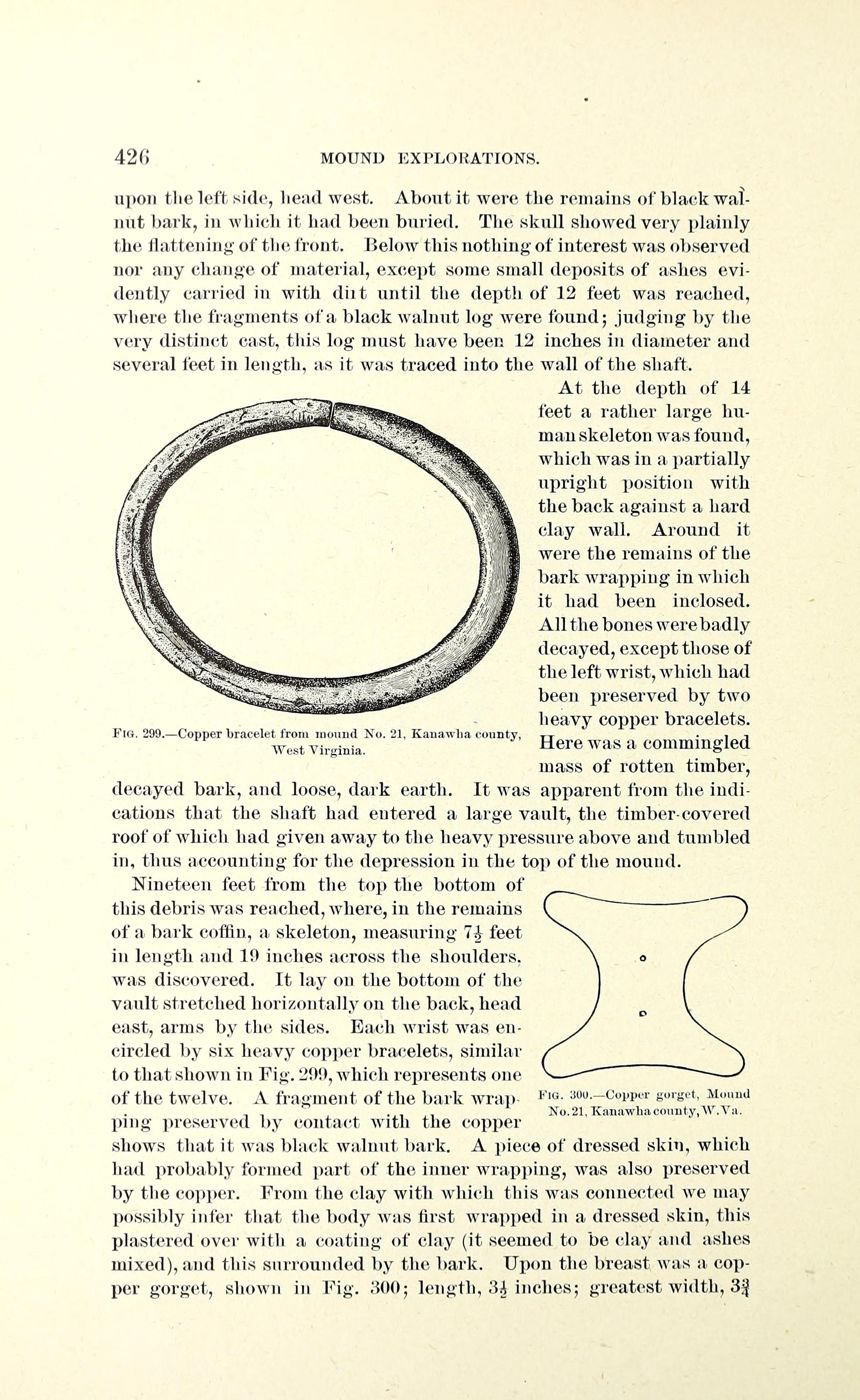
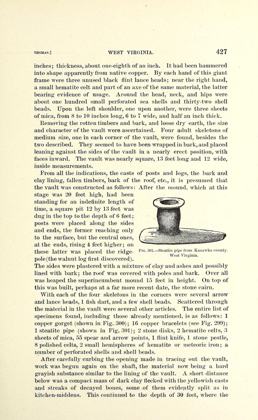
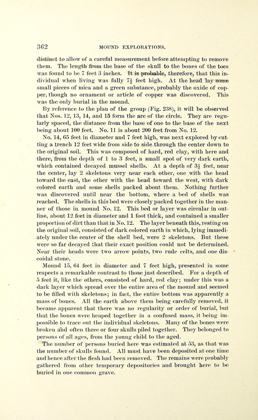
The Smithsonian's own 19th-century reports on mound excavations do record a handful of unusually tall skeletons, with one 'gigantic savage' and the 'largest-sized stone ax'. Every measured one is 7 to 7½ ft; the 9-15 ft figures and the jaw that fits over a man's head do not appear in the reports checked. Timothy Alberino adds an anonymous account of giant femurs in a Smithsonian warehouse.
Overview
- On the record: four Smithsonian/Bureau of Ethnology passages describe skeletons of 7 to 7½ ft, with page numbers.
- Not found: the jaw-over-the-head skeleton and anything above 7½ ft.
- Anonymous: a warehouse drawer of giant femurs, via Alberino and Quayle.
Connected
Sources
- Smithsonian Annual Report 1874 (archive.org)
- Bureau of Ethnology, Fifth Annual Report (archive.org)
- Bureau of Ethnology, Twelfth Annual Report (archive.org)
- Jason Colavito: Smithsonian giant reports (compilation)
- NewsNation Unreported: soldier-turned-whistleblower on 'killer giants' in Afghanistan (Alberino, part 2)