1995 · Şanlıurfa, Turkey
Göbekli Tepe
When1995 – today
WhereŞanlıurfa, Turkey
Backing4 independent
Evidencedocuments, official records, physical traces
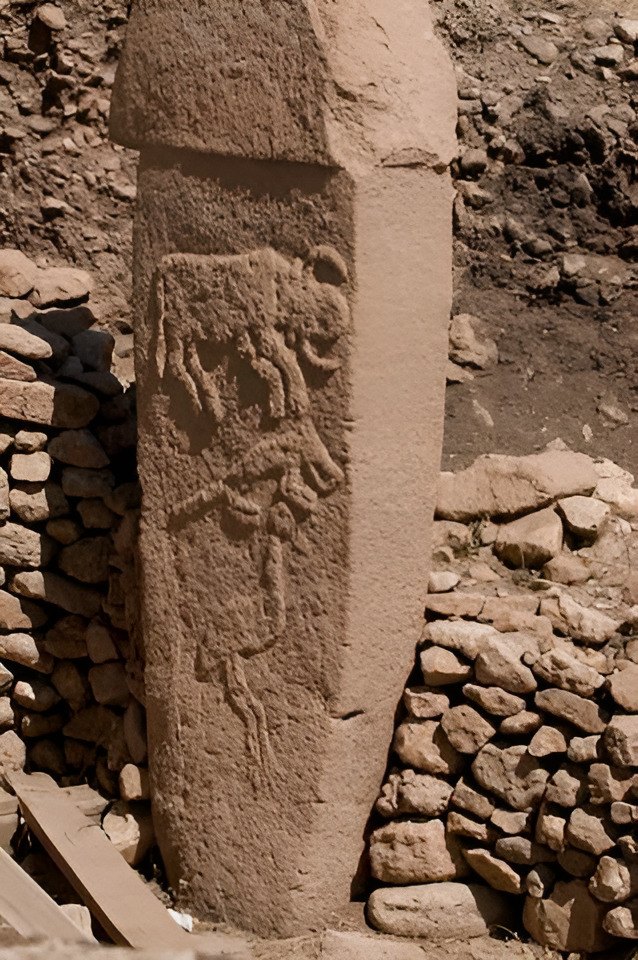
On a hill in south-east Turkey, German archaeologist Klaus Schmidt began digging in 1995 and found rings of huge T-shaped stone pillars carved with foxes, vultures and scorpions. They were raised about 9500 BC, some 6,000 years before Stonehenge, by people archaeologists had thought were simple hunter-gatherers. More sites like it, such as Karahan Tepe, keep turning up. For Hancock it is the first hard proof of what he had argued.
Evidence, in date order (4)
- 2017Sweatman and Tsikritsisdocumentpaper reading Pillar 43 as a record of a comet impact Wikipedia: Göbekli Tepe
- 2018UNESCOofficialWorld Heritage listing Wikipedia: Göbekli Tepe
- Radiocarbon datingdocumentdates of about 9500 BC for the oldest enclosures Wikipedia: Göbekli Tepe
- Karahan Tepe and related sitesphysicalfurther sites of the same kind keep turning up Wikipedia: Göbekli Tepe
How plausible · High
The site, its dating and Schmidt's excavation are solid; the lost-civilization reading is interpretation.
- ●●Access Excavated site.
- ●●No gain sought Academic.
- ●●Character record German Archaeological Institute.
- ●●Checkable details check out Published dating.
- ●●Fits the documented skeleton Documented.
- ●●Physical traces or official reaction The site itself.
Plausibility weighs how well an account fits where secrecy hides the documents by design, so missing records never count against it. Strength measures what is documented. Assessed 2026-10-23.
On the record
- Excavations by Klaus Schmidt and the German Archaeological Institute from 1995.
- Radiocarbon dates of about 9500 BC for the oldest enclosures.
- UNESCO World Heritage listing, 2018.
Claims
Pillar 43, the 'Vulture Stone', records a comet impact around 10,950 BC (Sweatman and Tsikritsis, 2017).analysisSourced, unconfirmedSweatman & Tsikritsis
Its builders were heirs of the lost civilization.analysisSourced, unconfirmedGraham Hancock
Where
Şanlıurfa, Turkey
37.2°N 38.9°E
In The picture
The pictureSomeone was here first. Apollo 11’s crew saw the glow at Aristarchus while observers on Earth reported it, astronauts on three missions saw flashes on the Moon that NASA’s Artemis II report confirms, and Cernan watched a distant ‘flasher’. China’s Chang’e-6 brought back far-side soil holding single-walled carbon nano…
Something oldAround 9500 BC people raised the carved pillars of Göbekli Tepe, thousands of years before anyone thought such work was possible. The Younger Dryas cold snap that came just before is real, and a team in PNAS tied its start, about 12,800 years ago, to a comet breaking up. Muon scans found a hidden void in the Great Py…
‹ Previous in Lost civilizationsCavities under the Sphinx2 of 8Next in Lost civilizations ›Muons under the Pyramid of the Sun